

Background
Historically, TipRanks was a research and decision-support platform.
While users used our tools to analyze stocks and portfolios, actual trades were executed outside the app.
As a result, there was a behavioral gap between insight and action, limiting long-term engagement and continuity.
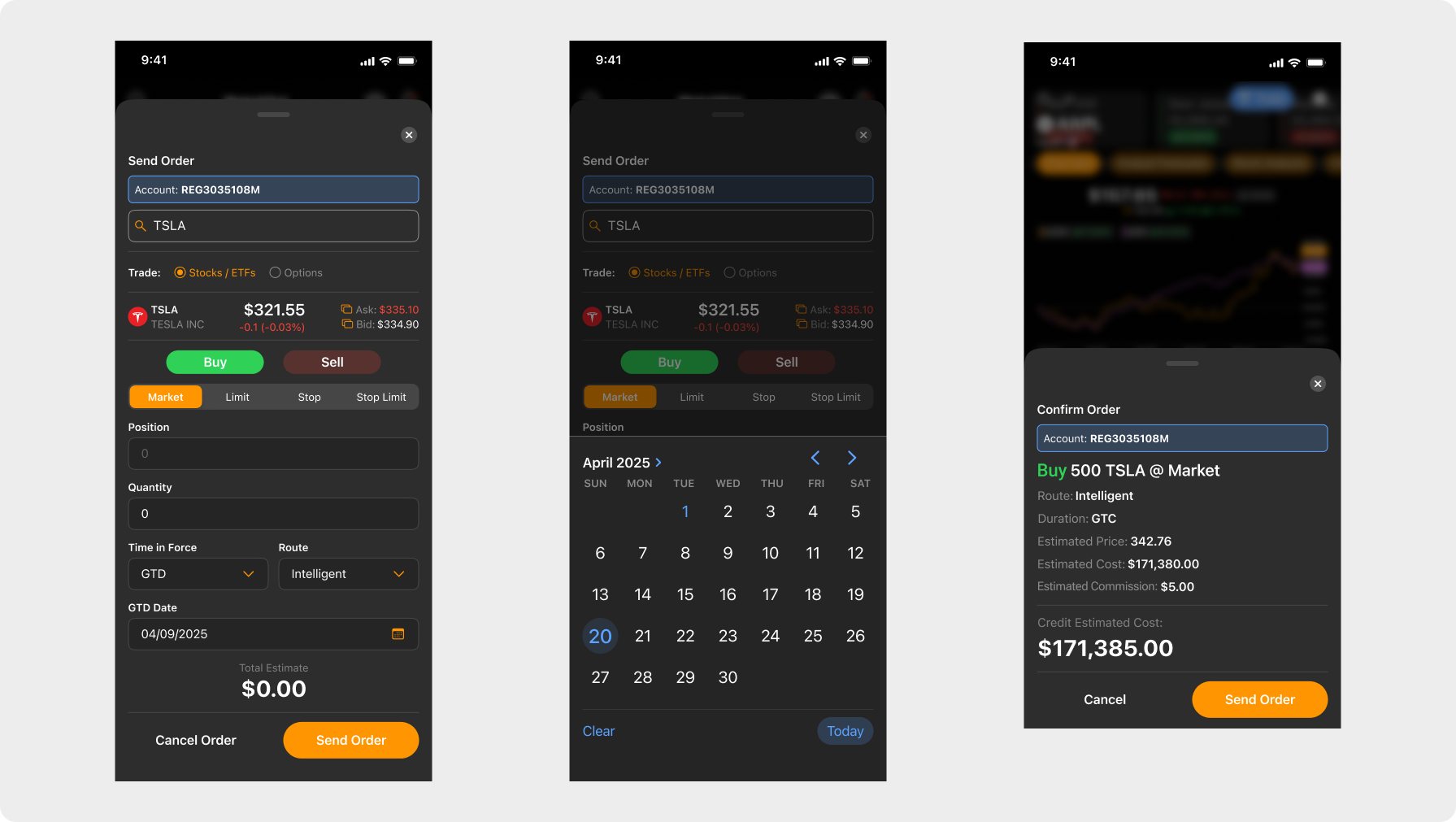
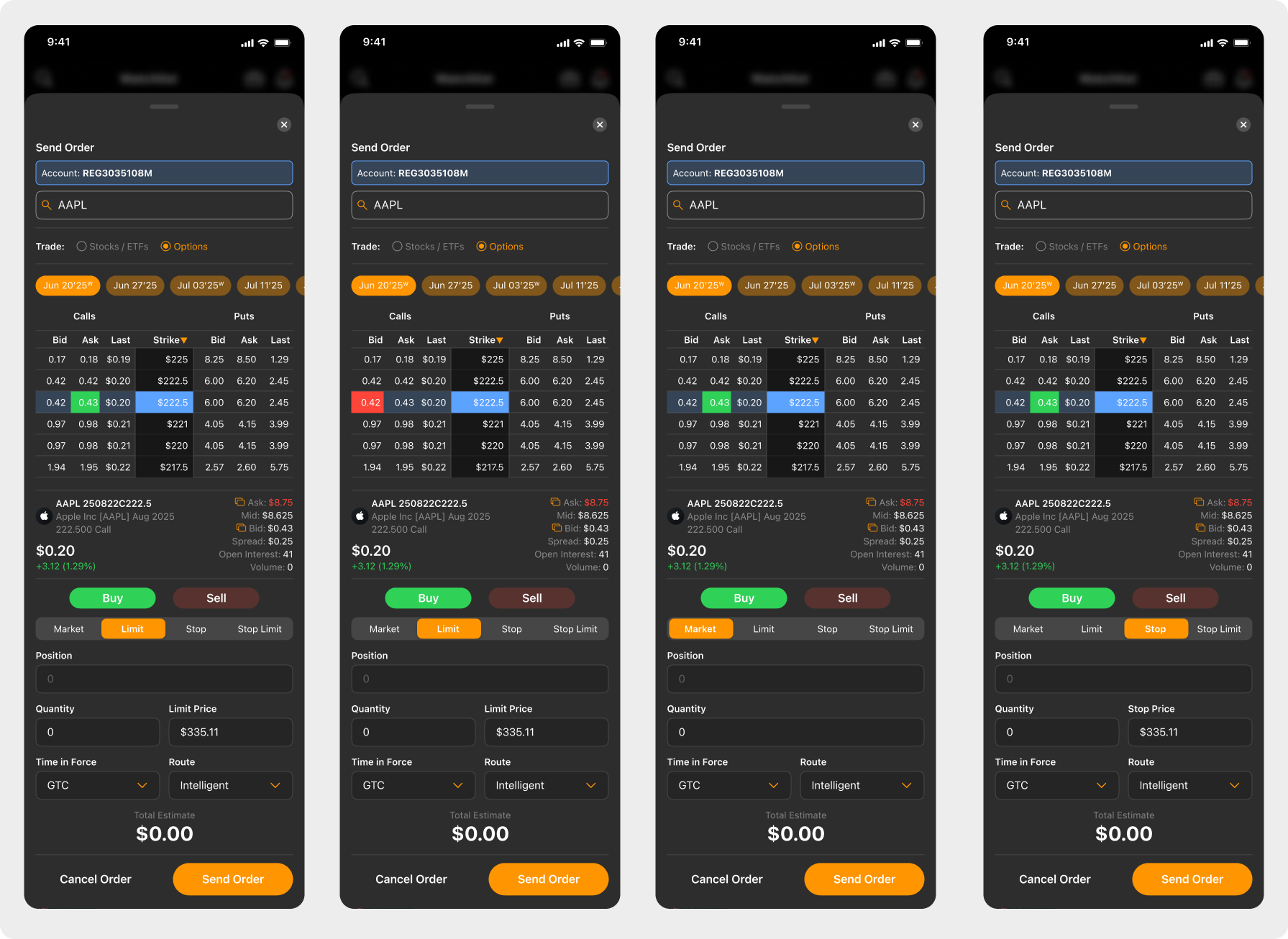
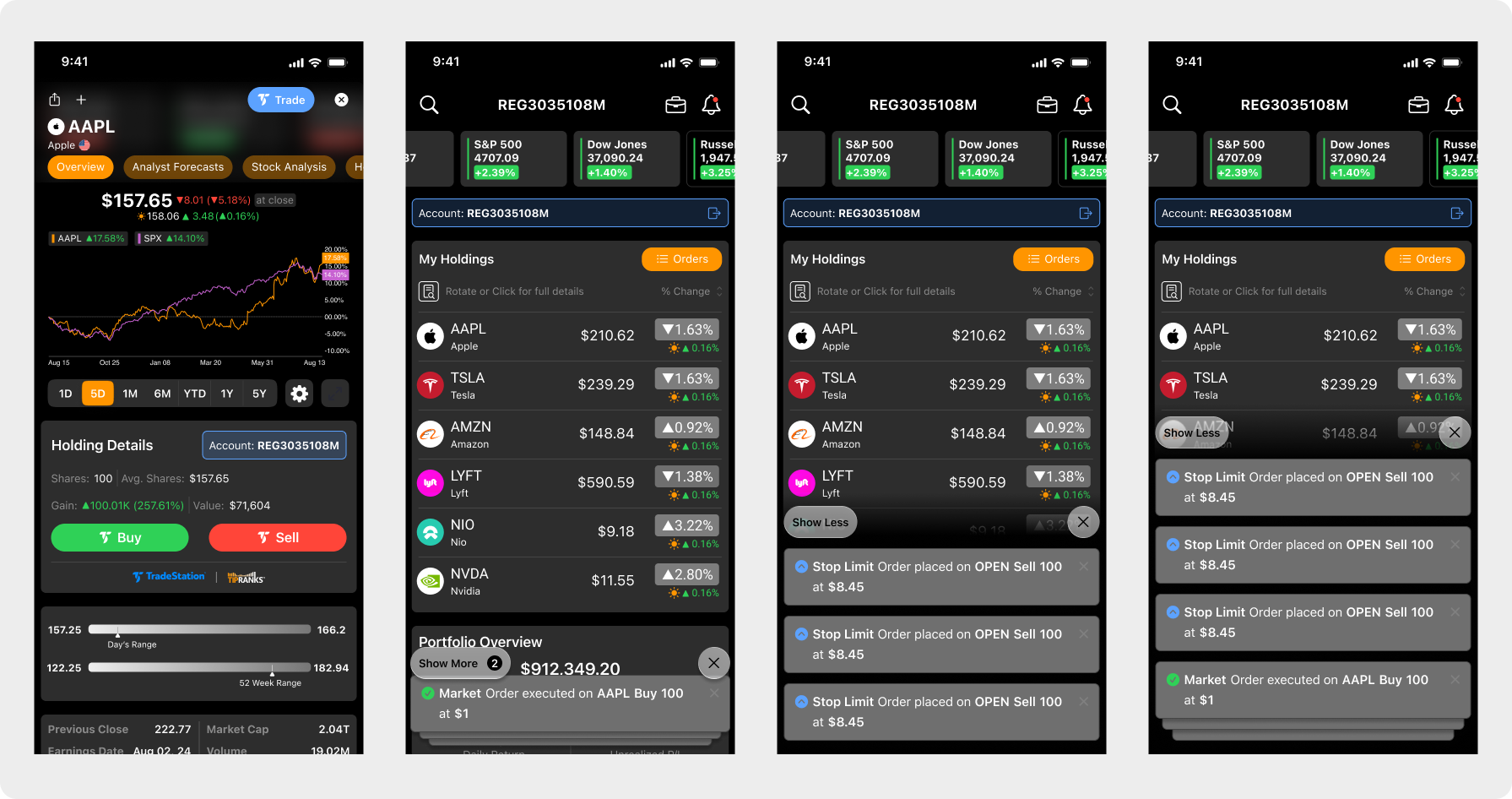
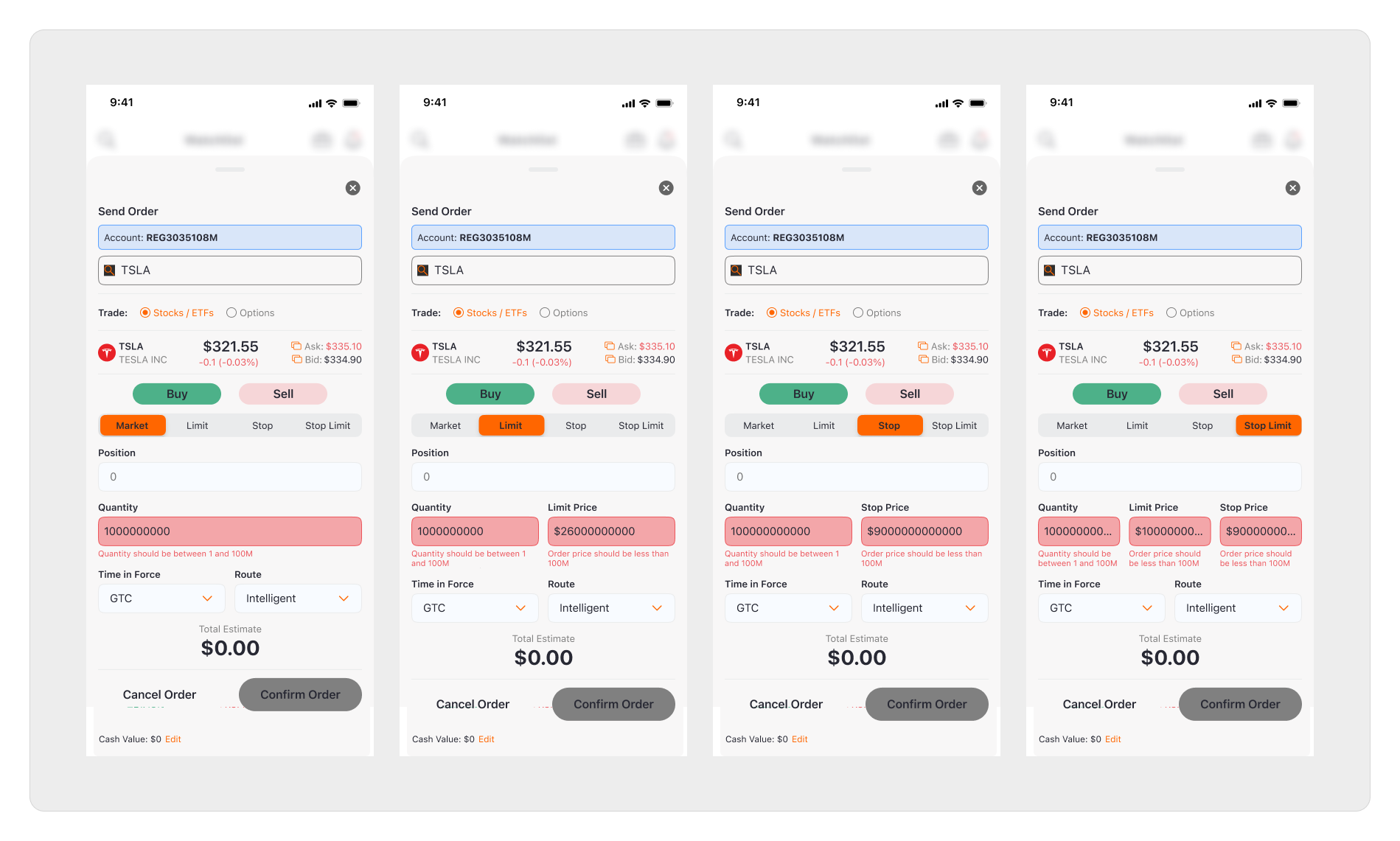
We filled this gap by integrating TradeStation with direct in-app trading, designed as a modular broker layer to support future multi-broker expansion.
My Role
As a Design Team Lead and lead app designer, I led the UX strategy and end-to-end product experience.
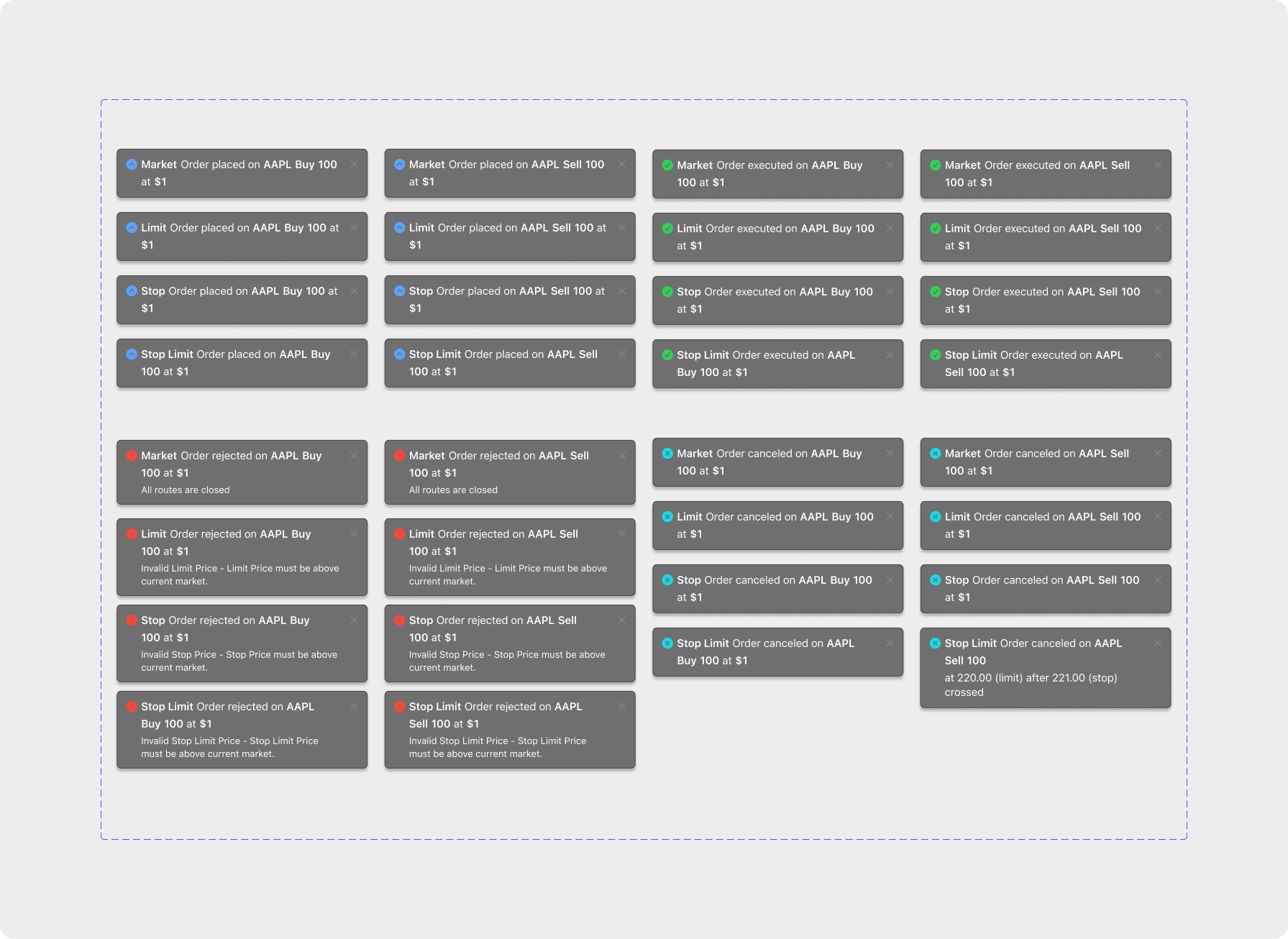
From UX research to competitive analysis, behavioral mapping between research and execution, integration flow design, and the final UI implementation across all trading touchpoints, I handled it all.
Our Objective
Our primary goal was to bridge the gap between analysis and execution — transforming TipRanks from a research-only platform into an action-enabled experience.
Strategically, the feature was designed to:
Increase user lifetime value
Improve engagement depth
Strengthen retention among high-intent users
Grow our paying user base
Research
We conducted a competitive analysis of leading trading-enabled financial apps to better understand how research platforms successfully integrate execution capabilities. The focus was on identifying best practices in trade entry UX, reducing onboarding friction, and designing seamless account linking flows that preserve user confidence.
We closely examined how execution moments are introduced within research contexts — particularly how platforms maintain clarity, trust, and simplicity while transitioning users from analysis to action. Special attention was given to mobile-first interaction patterns, ensuring that the trading experience remains intuitive and efficient within the constraints of a small screen.
Key Assumptions
Users researching a stock have elevated trade intent.
A modular broker architecture would enable scalable revenue partnerships.
Trading users demonstrate higher retention and engagement levels.
Providing Ultimate access as a benefit would increase perceived value and upgrade conversion.
Reducing friction between analysis and execution increases activation.
Working Process
Insight Analysis
Behavioral mapping revealed a critical drop-off between “decision confidence” and “execution.”
Users often left the app to trade elsewhere, breaking the engagement loop.
We identified key friction points:
- Loss of analytical reference at execution moment
- Context switching
- Re-entering credentials in another platform
Information Architecture
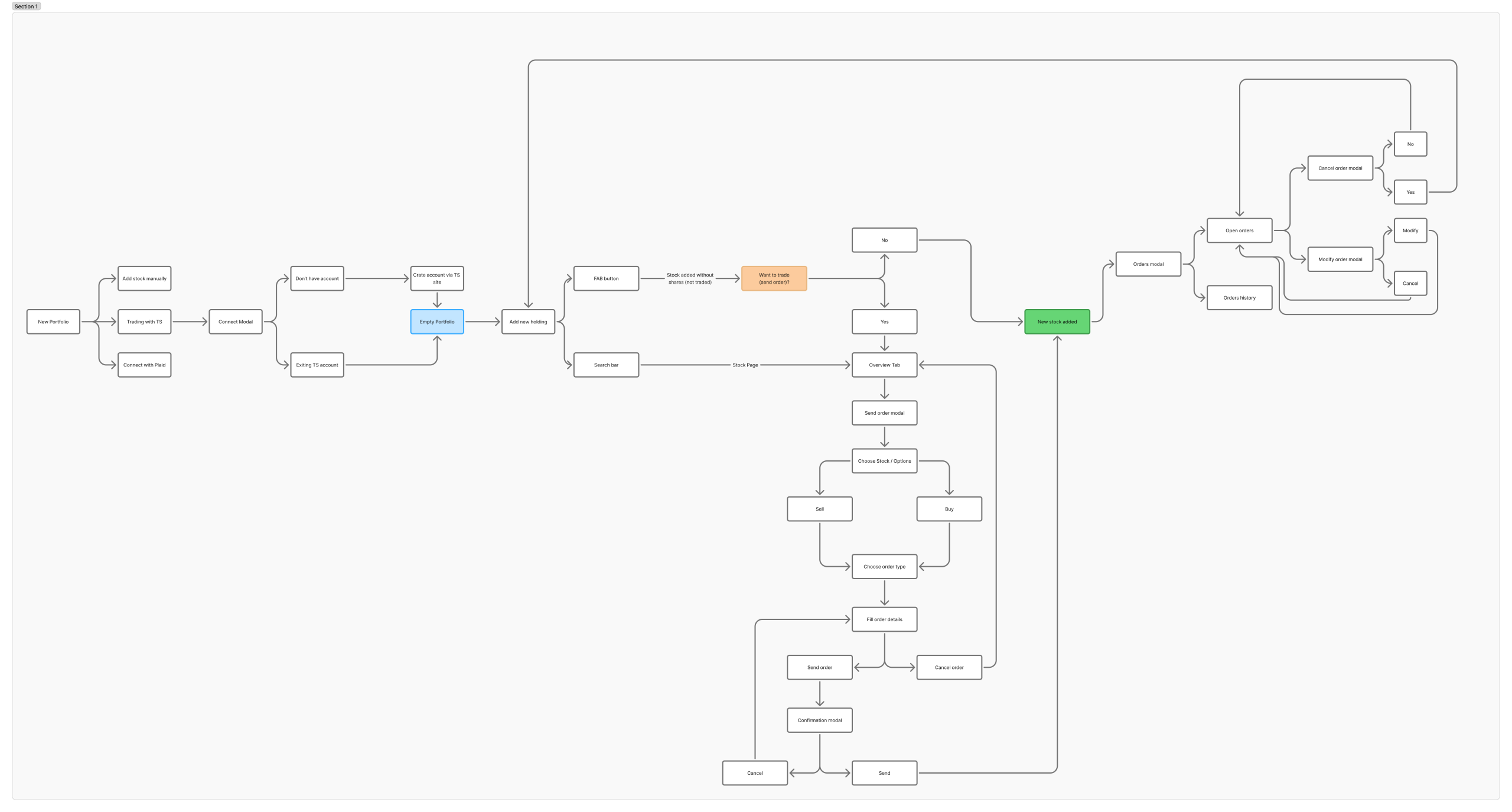
Moving into Design
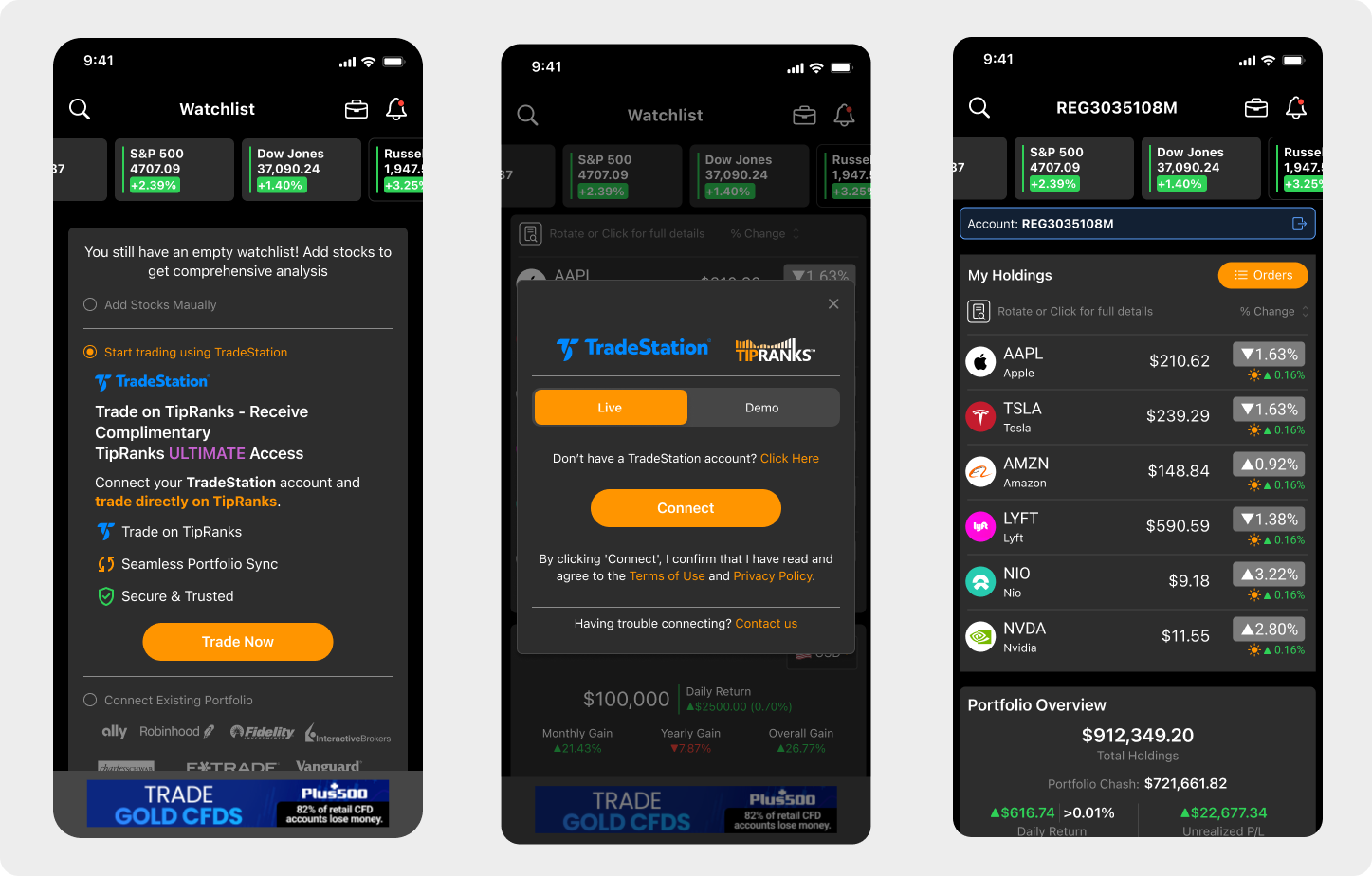
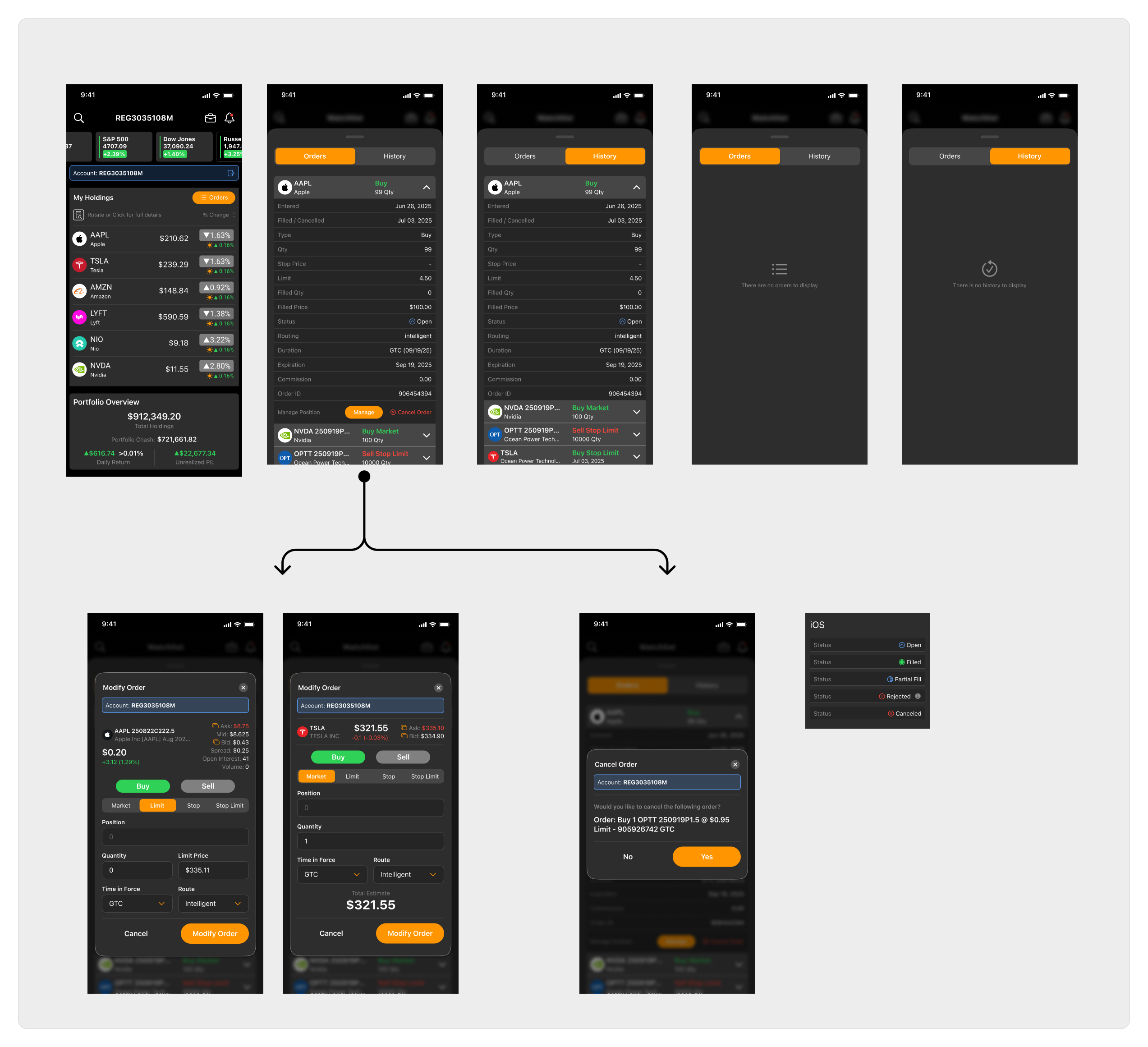
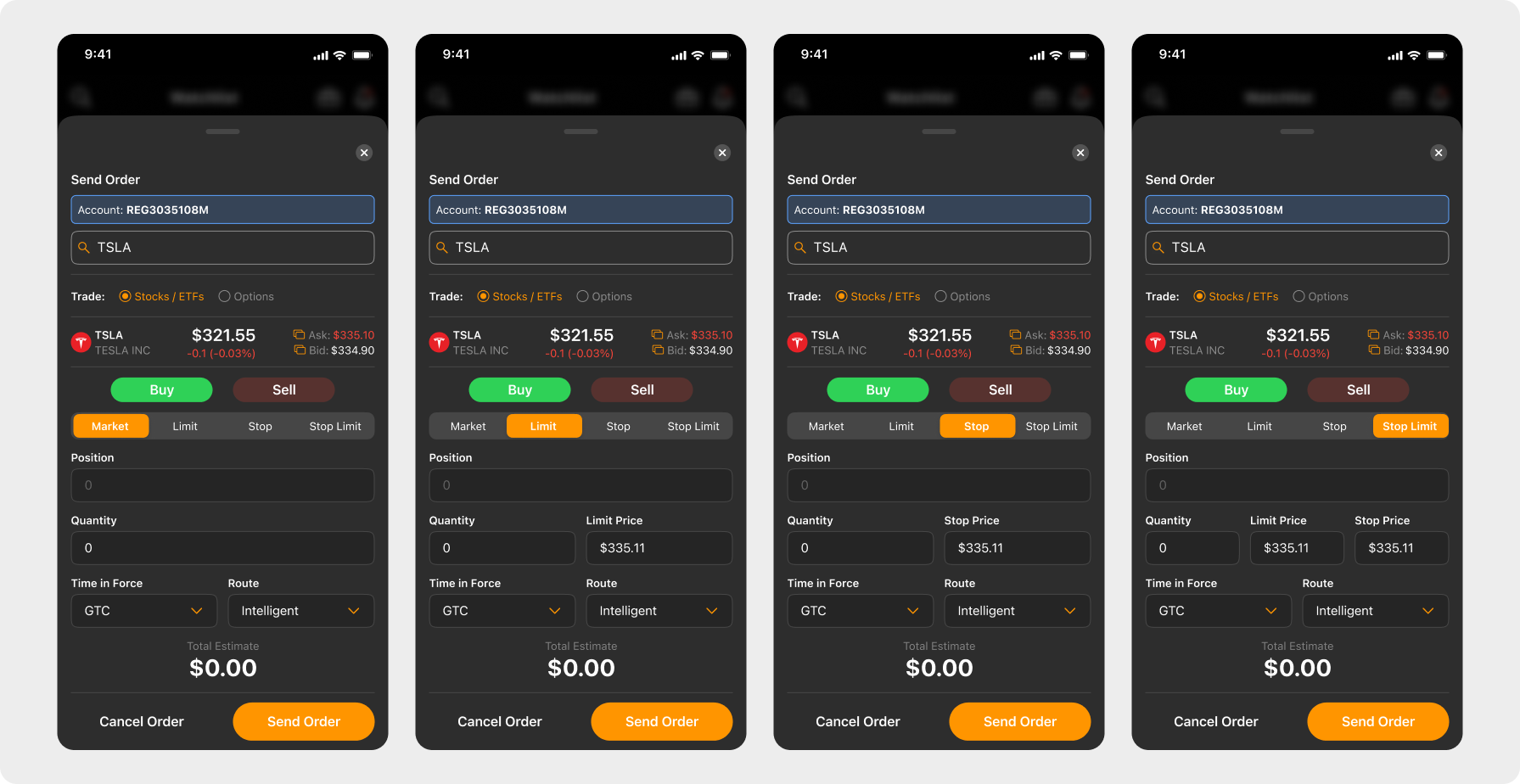
Rollout
We rolled out the feature to 100% of eligible users in the United States and Canada, given the strategic importance of the initiative and the broker partnership availability in these markets.
Feature Awareness Strategy
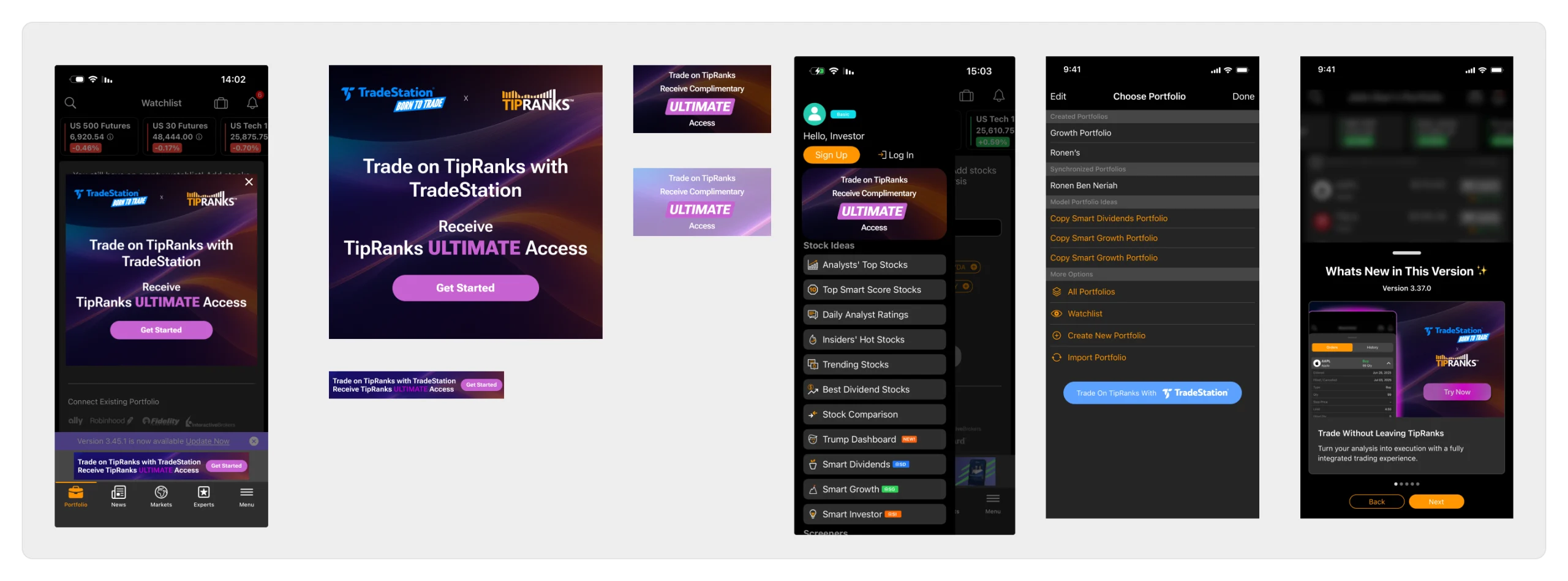
To ensure strong visibility without overwhelming users, we implemented a multi-layered awareness approach that included:
- In-app messages introducing direct trading
- Dedicated “What’s New” version modal highlighting the feature
- Marketing assets within the app.
In addition, we strategically positioned contextual Trade CTAs directly within stock pages to surface execution at the moment of highest intent.
The goal was to drive discovery and activation while preserving the integrity of the core research experience — ensuring that trading felt like a natural extension of analysis rather than a disruptive overlay.
Results (90 Days Post Launch)
Within the first ~90 days, adoption remained below our initial expectations. Approximately ~3–4% of active users initiated broker onboarding, with ~1.5–2% completing account setup. Of those who funded their accounts, ~55–60% executed at least one trade.
While broker-linked users showed ~8–12% higher 30D retention compared to non-linked users, the overall impact on platform-wide retention remained limited due to the relatively small adoption rate. Session depth among trading users increased by ~10–15%, but the feature has not yet reached the level of penetration required to materially shift core engagement metrics at scale.
~3.5%
Broker Onboarding
~1.5%
Completed Account Setup
~60%
Executed at Least 1 Trade
~10%
30D Retention vs. Non-Linked
Although early signals validate the strategic direction — particularly around higher retention among activated traders — we are not yet satisfied with overall conversion and activation performance. We are currently evaluating product-level improvements to reduce onboarding friction, strengthen trade intent signaling, and create stronger incentives for users to open accounts and execute trades directly within TipRanks.
Next Steps
Following the first 90 days post-launch, we conducted a focused analysis to identify friction points and behavioral gaps within the broker activation flow. Based on this assessment, we identified three primary improvement areas: reducing onboarding friction, strengthening the perceived value proposition (including clearer Ultimate benefit positioning), and surfacing trade execution at higher-intent moments within the research journey.
Over the coming iterations, we plan to refine the onboarding UX, enhance contextual trade prompts within stock and portfolio views, and introduce stronger incentive framing to increase initiation and completion rates. Our goal is to improve broker adoption penetration while maintaining a seamless and trust-driven user experience.
