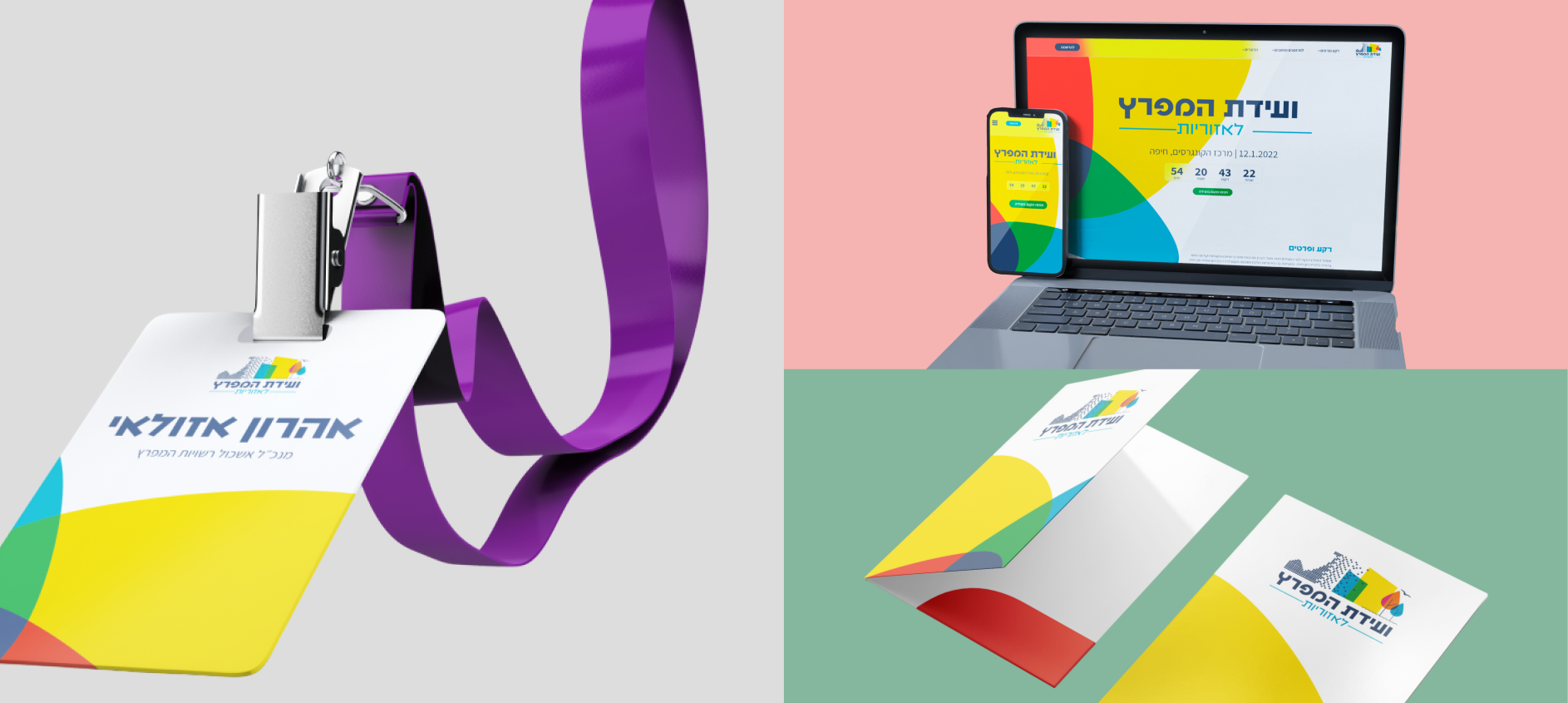
Agency: Matrix P²
Role: Lead Designer
Scope: Brand Strategy, Visual Identity & Cross-Platform Desig
Overview
The International Bay Conference for Regionality is an annual event held in the Haifa metropolitan area. It brings together government representatives, municipal leaders, business executives, academics, and social organizations to advance regional collaboration.
The conference addresses key issues shaping the region’s future, including transportation, energy, employment, economic development, sustainability, and international relations.
My Role
As Lead Designer at Matrix P², I led the brand strategy and visual identity—from research and concept development through final execution across digital, print, and event touchpoints.
My responsibilities included:
- Ensuring consistency across digital, print, social media, and the physical event
- Market and competitor research
- Audience and stakeholder analysis
- Brand positioning and messaging
- Visual identity and logo development
- Cross-platform design direction
The Challenge
The main challenge was to translate a broad regional agenda into one clear and recognizable identity.
The brand needed to:
- Unite diverse topics under a focused regional vision
- Appeal to public, business, academic, and social-sector audiences
- Balance institutional credibility with innovation and forward thinking
- Differentiate the conference from other economic and municipal events
- Reframe “The Bay,” often associated locally with pollution and heavy industry, as a symbol of connection, opportunity, and sustainable growth
- Remain consistent and accessible across every conference touchpoint
Research & Strategy
The process combined competitive research, audience analysis, regional context, and stakeholder input.
I examined similar Israeli and international conferences to identify common visual conventions and opportunities for differentiation. Audience research revealed three central expectations:
- Business leaders sought partnerships and economic opportunities
- Public-sector stakeholders focused on infrastructure and regional development
- Social and academic organizations prioritized sustainability and public impact
These insights shaped a positioning that connected institutional authority with regional innovation.
Brand Direction
The visual identity presents the Haifa Bay as a meeting point between communities, industries, ideas, and opportunities.
The design balances formal and contemporary elements through modern typography, a structured graphic system, and a color palette inspired by the region’s natural and industrial landscape. Blue and green tones communicate trust, connectivity, sustainability, and growth.
Outcome
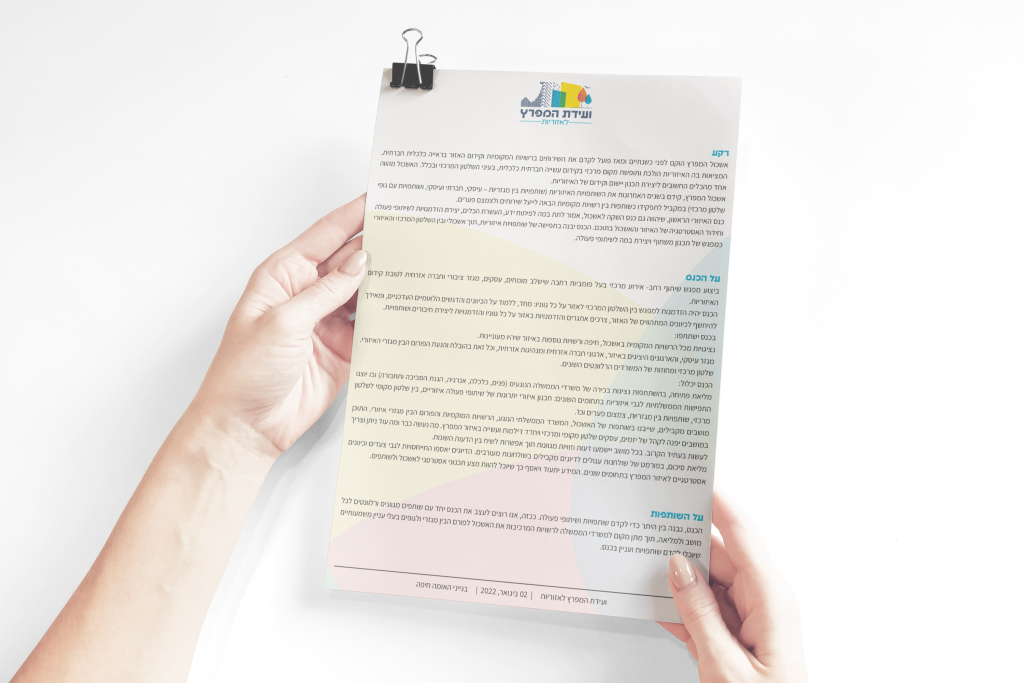
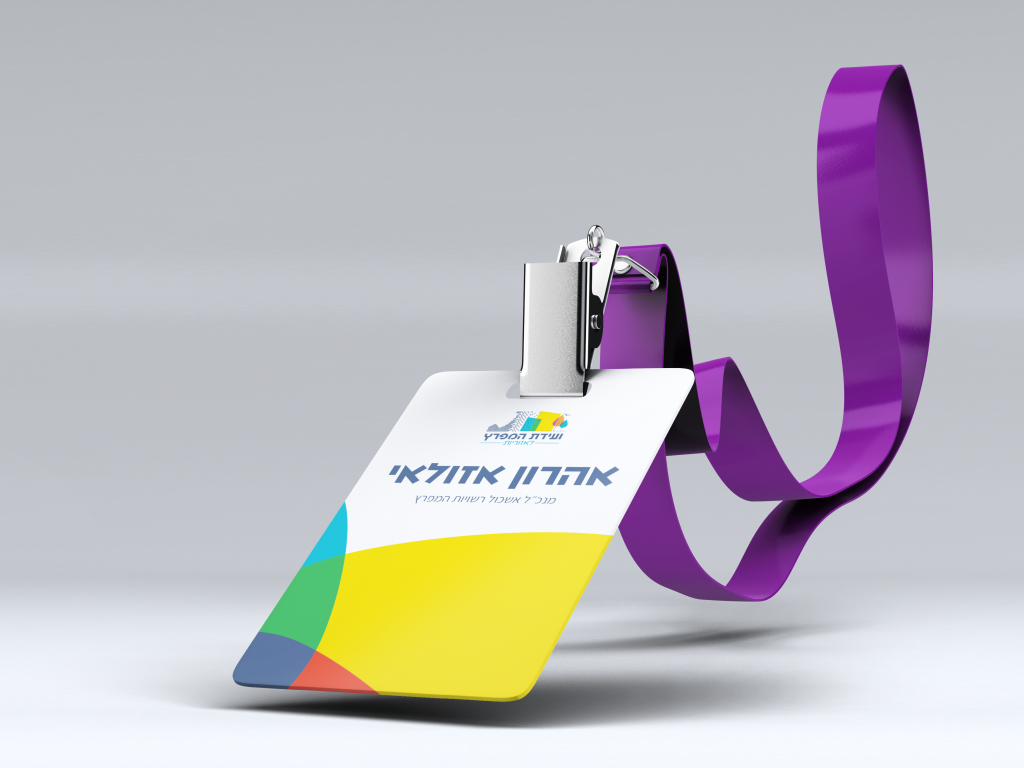
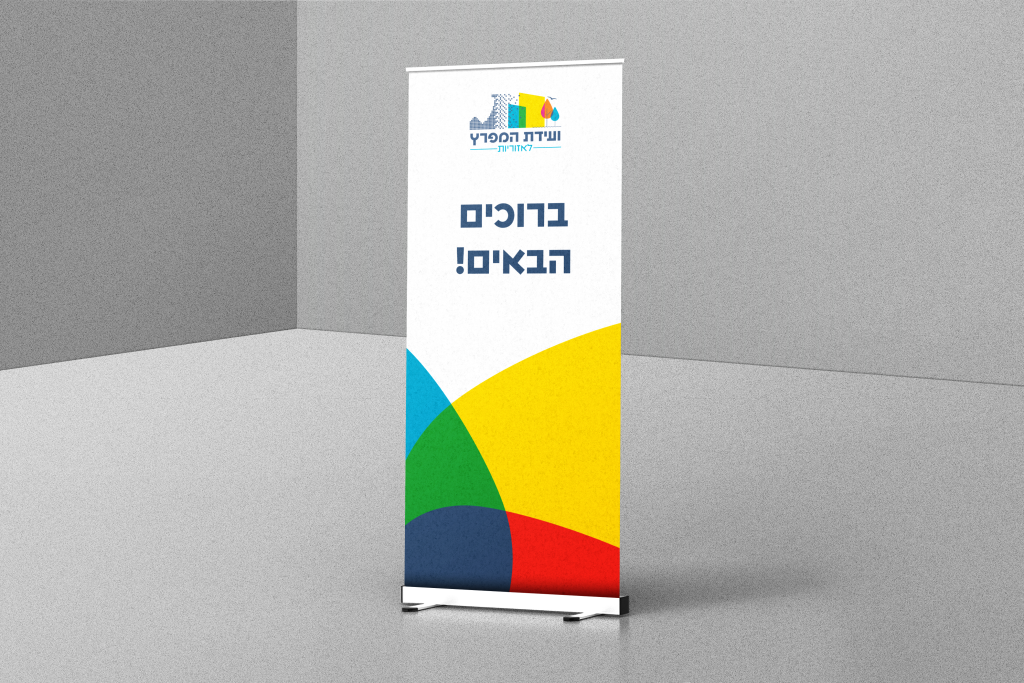
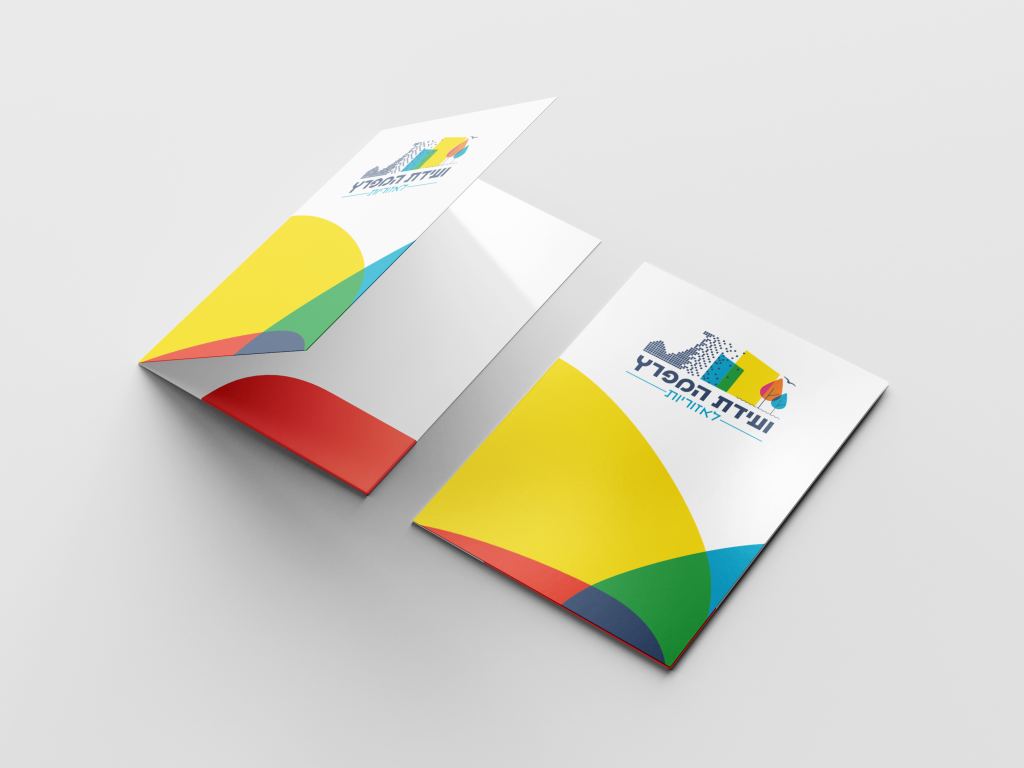
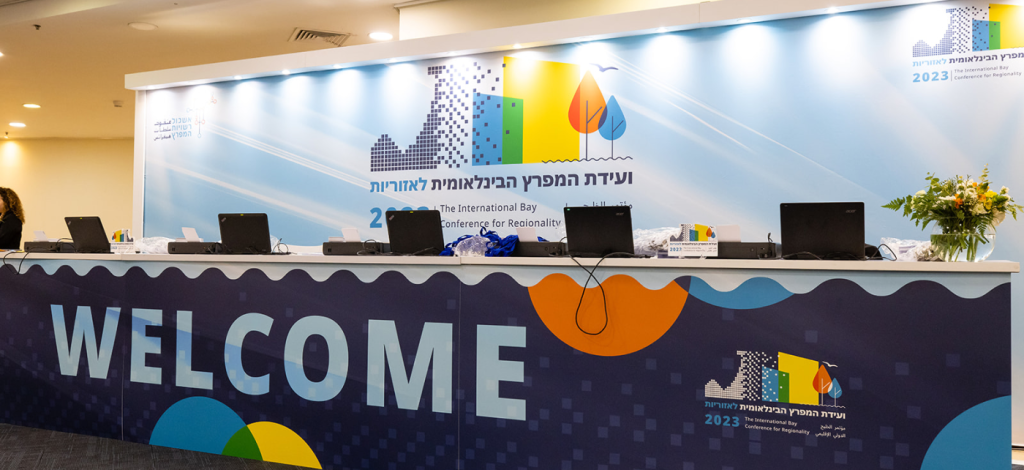
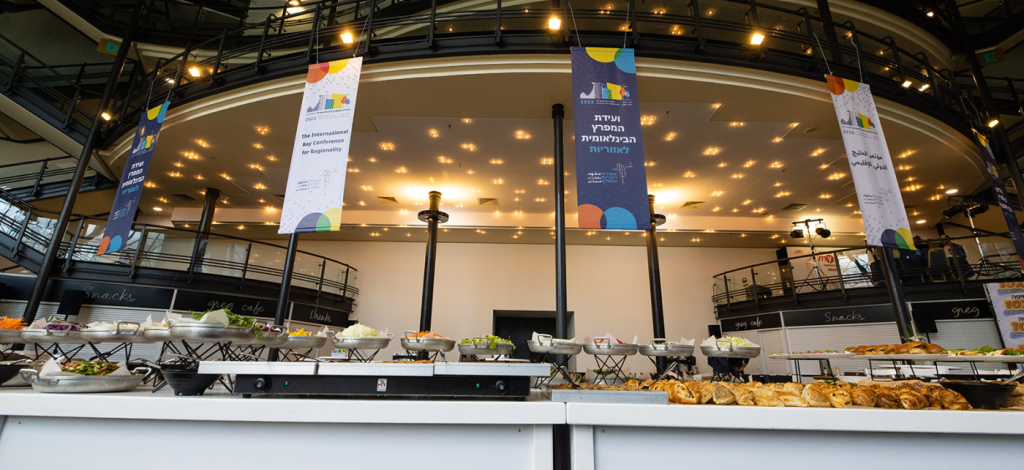
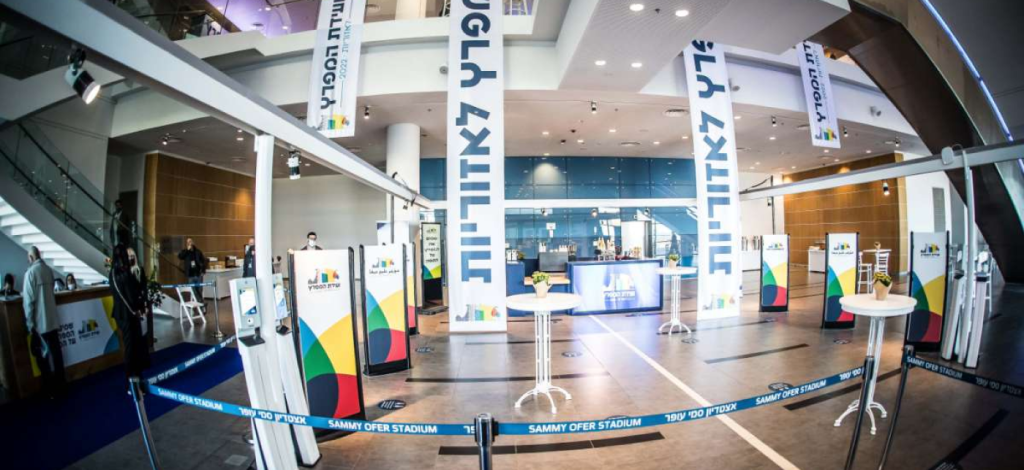
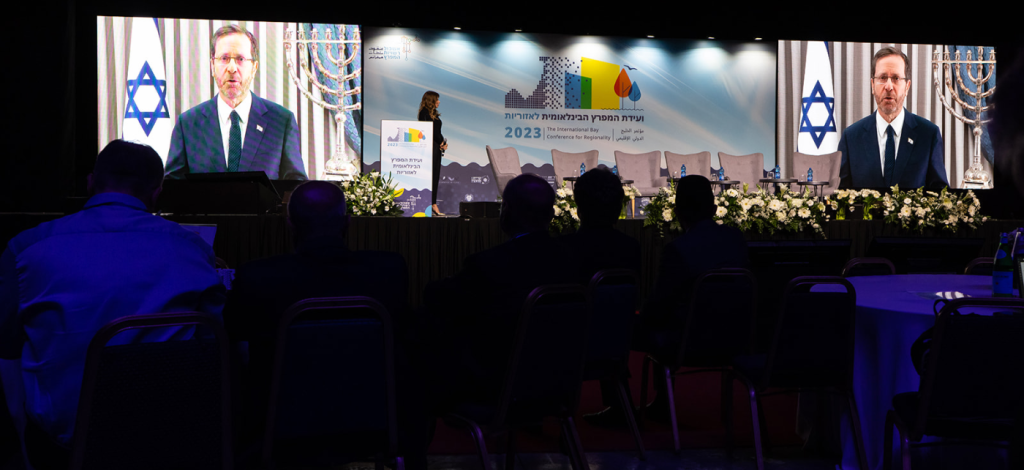
The result is a cohesive identity that transforms a complex regional agenda into a clear and optimistic story.
The system supports the conference across its website, social media, printed materials, presentations, signage, and the physical event—positioning it as a credible platform for decision-making, collaboration, and long-term regional progress.